


Za’atar is my go-to Middle Eastern spice blend—earthy, tangy, and full of tradition. I’ve used it since childhood, sprinkling it on pita, meats, and veggies for an instant burst of bold flavor.

Type of Cuisine:
Middle Eastern

Prep Time: 10 Minutes.
Cook Time: 0 Minutes

How Many Servings?
10-12 Servings
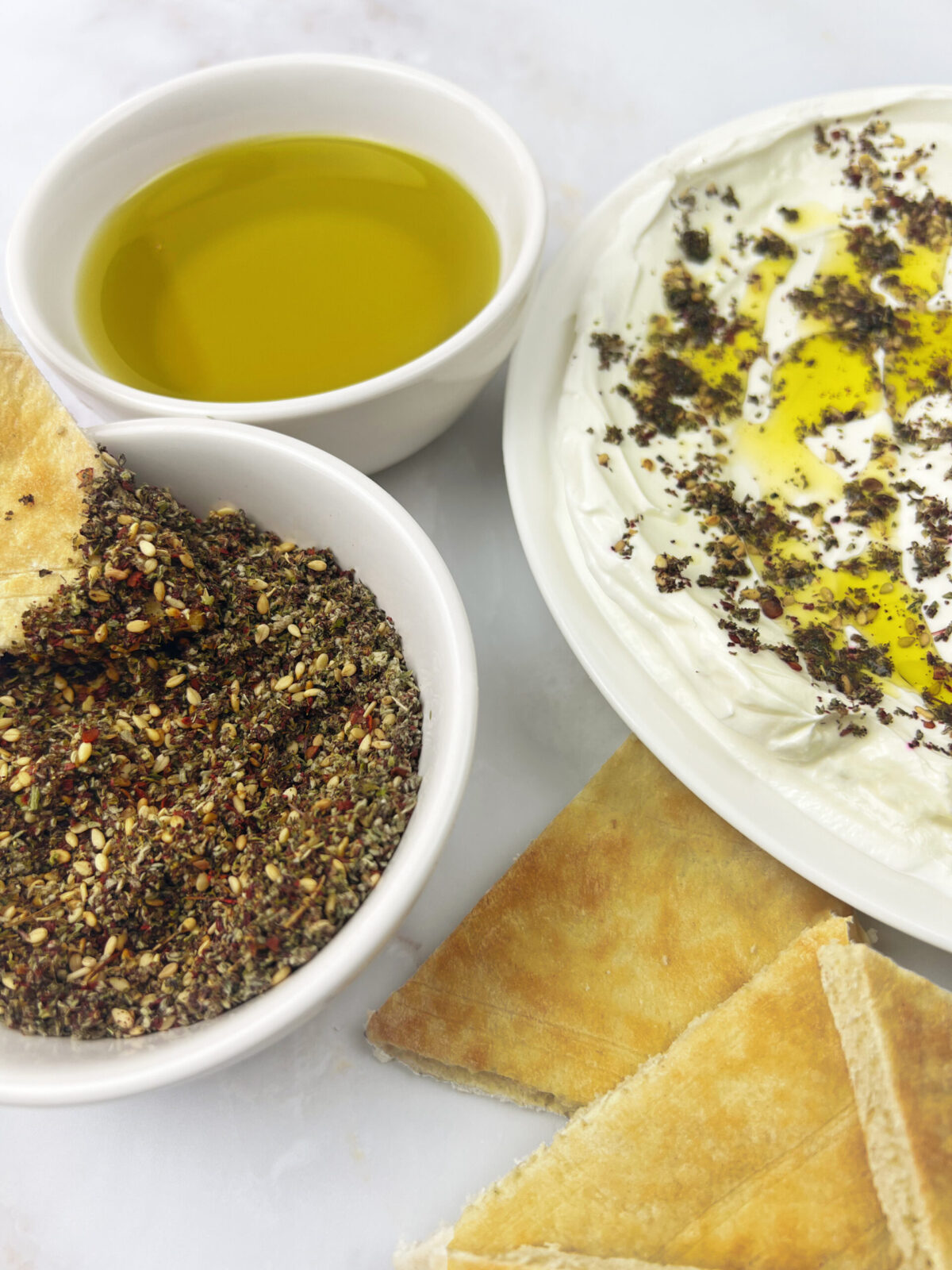
Growing up in Jordan, I was raised on this delightful spice blend, often savoring warm, freshly baked pita bread drizzled with olive oil and generously sprinkled with za’atar. This cherished routine made za’atar my go-to spice blend for an authentic Middle Eastern flavor burst. In this article, I’m excited to share a timeless za’atar spice recipe passed down from my sister, who still resides amidst the breathtaking landscapes of Jordan.
What is Za’atar?
Za’atar wears two flavorful hats in Middle Eastern kitchens—both as a single herb and a beloved spice blend.
- First, the word za’atar refers to a wild, aromatic herb native to the Levant—specifically Syrian oregano (Origanum syriacum). This herb is cherished not only for its earthy, minty flavor but also for its health benefits. In Jordan, Lebanon, Syria, and Palestine, it’s common to steep za’atar in tea to soothe coughs or aid digestion.
- Second, za’atar is also the name of the spice mix that features this herb as its star. The blend typically includes dried za’atar (or thyme/oregano as substitutes), toasted sesame seeds, ground sumac for tang, and a pinch of salt. Some regional versions add marjoram, cumin, or even caraway—making za’atar a flexible, deeply cultural seasoning.
Whether used for its medicinal perks or as a kitchen staple, za’atar is a symbol of home, comfort, and tradition throughout the Middle East.
Ways to Use Za’atar Spice Blend
Za’atar is more than just a seasoning—it’s an invitation to explore bold, aromatic flavors in every corner of your kitchen. Whether you’re using the spice blend or the fresh/dried leaves, here are both classic and inventive ways to enjoy za’atar:
Everyday Enhancers
- Dips & Dairy: Add a dash of labneh, Greek yogurt, hummus, or even cottage cheese for an herbal lift.
- Eggs & Avocados: Sprinkle it over scrambled eggs or avocado toast for a tangy, toasted finish.
- Fruit Pairings: Try it on slices of watermelon or citrus for a surprising sweet-savory kick.
Main Dish Magic
- Marinated Proteins: Mix za’atar with olive oil, lemon, and garlic to marinate chicken, lamb, or tofu.
- Roasted Vegetables & Potatoes: Toss with olive oil and roast—especially delicious on cauliflower, carrots, or Hasselback potatoes.
Beyond the Blend
- Za’atar Herbal Tea: Boil fresh or dried za’atar leaves with water, add a touch of honey, and enjoy a soothing herbal drink known for its digestive benefits.
- Nourishing Broths: Steep a few leaves into soups or broths for an earthy undertone that enhances without overpowering.
- Infused Oils: Create a za’atar-infused olive oil for drizzling over salads, grilled veggies, or even pizza.
Snack Staples
- Zaatar w Zeit: Mix with olive oil and enjoy as a dip or spread for fresh bread.
- Nutty Crunch: Toss almonds or cashews with za’atar and roast for an addictive snack.
Za’atar’s versatility makes it a kitchen essential—from steeping it like tea to starring in your weeknight dinners. Once you start experimenting, you’ll discover just how endlessly creative it can be.
Discover the Health Benefits of Za’atar
Za’atar, also known as Syrian oregano, is more than a flavorful addition to your meals—it’s a wellness hero in herb form. Here’s why it deserves a place in both your spice rack and your self-care routine:
- Immunity Booster: Rich in vitamin C, za’atar helps support a strong immune system—your natural defense against colds and seasonal bugs.
- Natural Antibacterial: Fighting a cough or sore throat? Brew za’atar into a warm tea to soothe symptoms thanks to its natural antibacterial and anti-inflammatory properties.
- Nutrient-Dense: This herb is loaded with manganese, vitamin K, and vitamin E—all essential for bone strength, healthy circulation, and cellular protection.
- Mental Clarity: Traditionally believed to enhance alertness and mental focus, za’atar might just be your brain’s new best friend.
Fun fact: I grow za’atar right in my garden and often brew the fresh leaves into a comforting tea. It’s like sipping a cup of calm and well-being—straight from nature.
Where Can I Get Za’atar?
Thanks to growing global popularity, za’atar is now easier to find than ever. Many major grocery stores carry it, and online retailers like Amazon offer a wide range of blends. It’s even popping up on menus in upscale restaurants and chef-curated cookbooks.
But not all za’atar is created equal—some commercial brands use fillers like wheat or citric acid, which can dilute the authentic flavor and texture. Always check the ingredient list, or better yet, try making your own.
The good news? You’re in the right place. Below, I’ll walk you through a simple, homemade za’atar recipe that’s full of bold, balanced flavor—and 100% filler-free.
Za’atar Substitute
Can’t get your hands on Syrian oregano (Origanum syriacum)? No problem. You can still create a flavorful za’atar blend at home using a simple substitute:
Za’atar Herb Substitute Blend:
- 1 part dried oregano
- 1 part dried thyme
Both herbs belong to the same botanical family and share a similar aroma and taste. While they may lack the slight bitterness and citrus undertone of Syrian oregano, they still deliver that herbaceous depth za’atar is known for.
This blend is especially useful when you’re eager to whip up za’atar but can’t source the traditional herb nearby.
Preparing Homemade Za’atar Spice Recipe
Making za’atar from scratch allows you to control the quality, freshness, and flavor of each ingredient. Follow these simple steps to prepare your own vibrant, authentic blend:
Soaking & Rinsing (For Fresh Herbs Only)
- Gently soak fresh za’atar leaves (or other herbs) in a bowl of cold water.
- Swirl and rinse thoroughly to remove dirt or impurities.
Drying Process
- Pat the herbs dry using a clean kitchen towel.
- Spread them evenly on a tray lined with dry towels or paper towels.
- Place the tray in a well-ventilated area near a window—avoid direct sunlight to prevent discoloration.
- After 24 hours, remove the towels and gently flip the herbs.
- Allow herbs to air-dry for about a week, or until they are completely dry and crisp.
Grinding & Blending
- Use a spice grinder to finely grind the dried herbs, then combine them with your other za’atar ingredients (like sumac, sesame seeds, and salt).
- Don’t have a spice grinder? No problem. Crush the herbs manually using a mortar and pestle or rolling pin, then sift through a strainer for a semi-fine texture.
Once ground and blended, your homemade za’atar is ready to elevate everything from marinades to mezze!
Step-by-Step Instructions
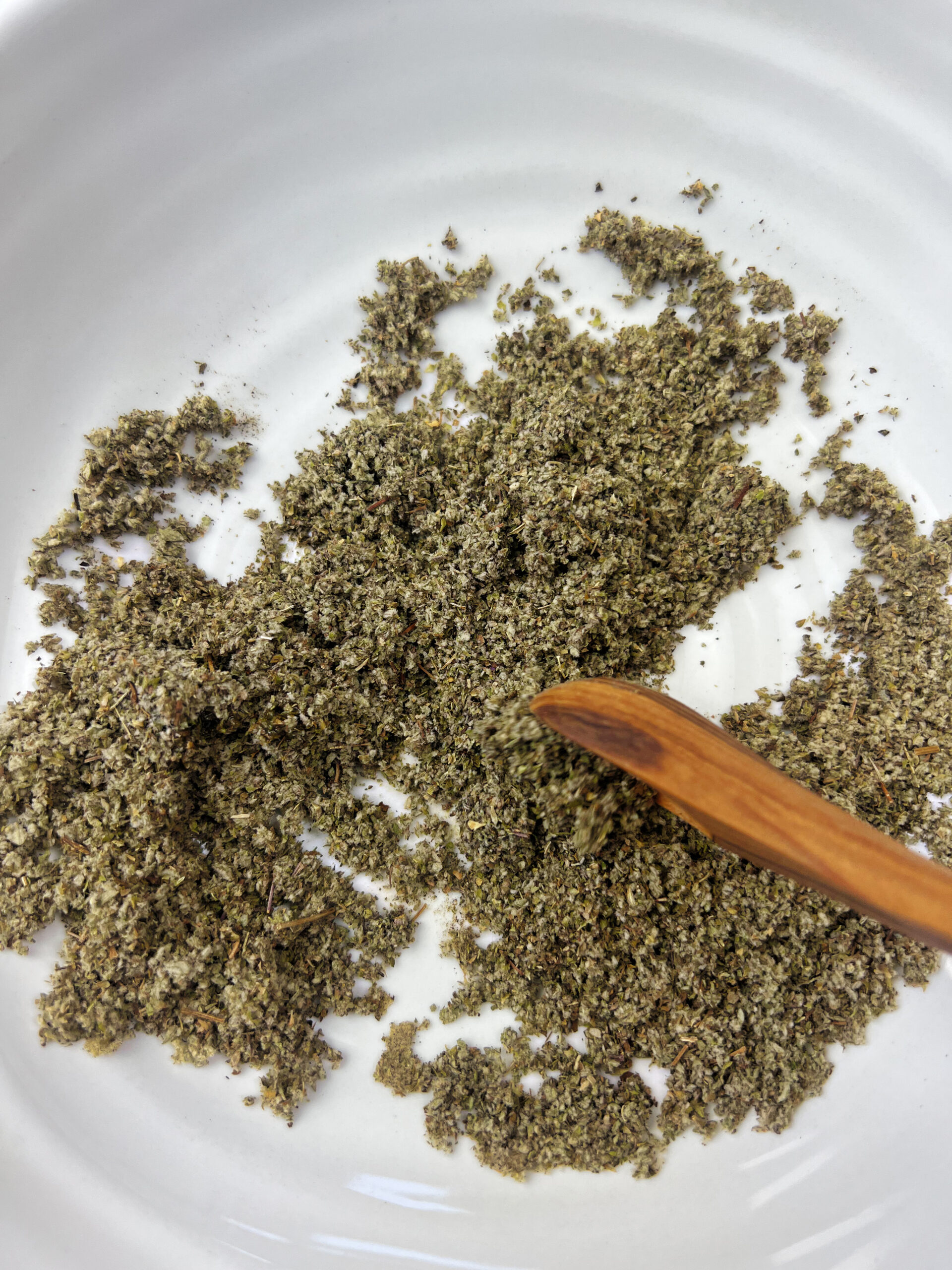
Mix the Herbs and Olive Oil
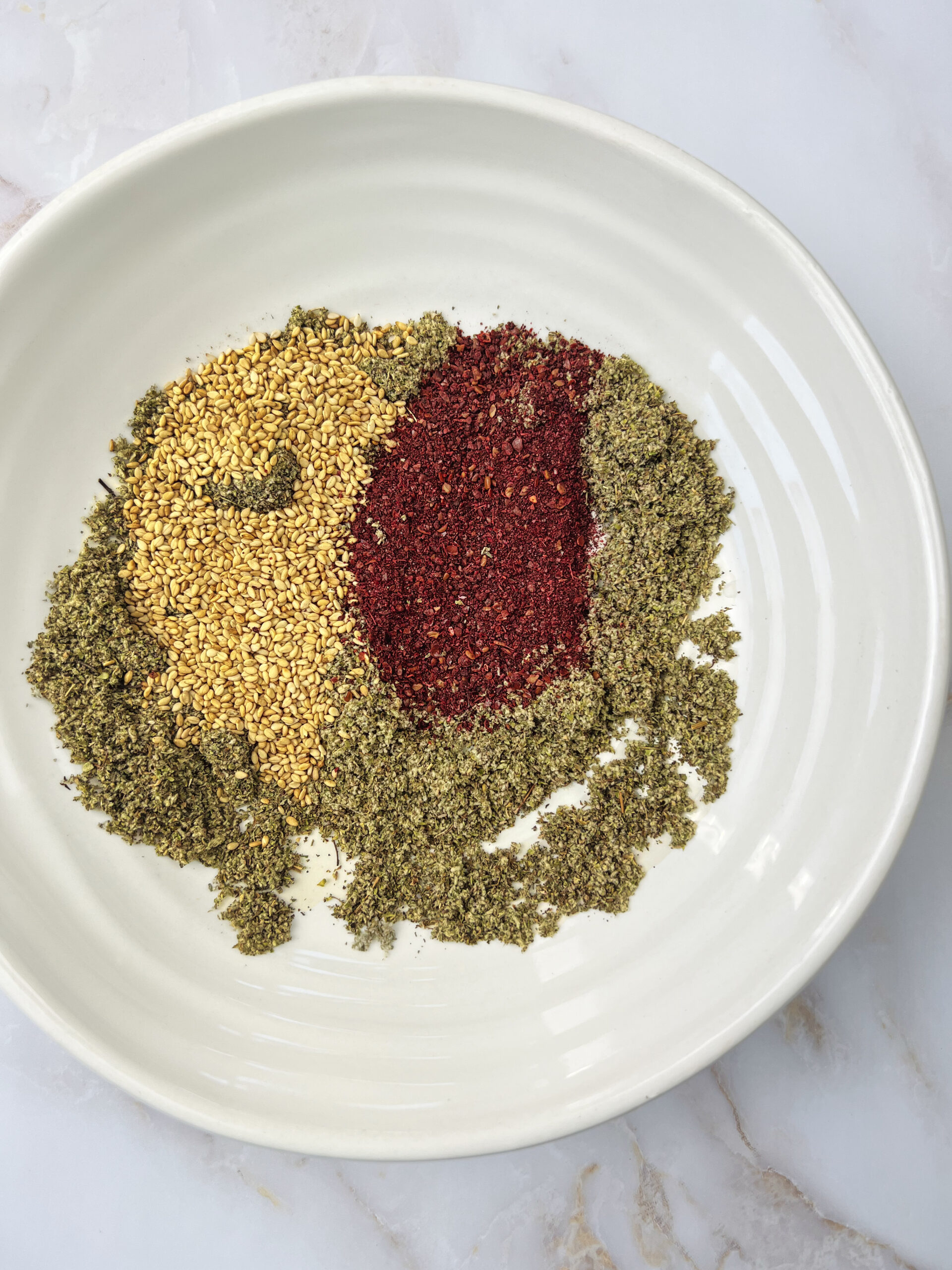
Add the Sumac and Sesame Seeds
Store and Enjoy
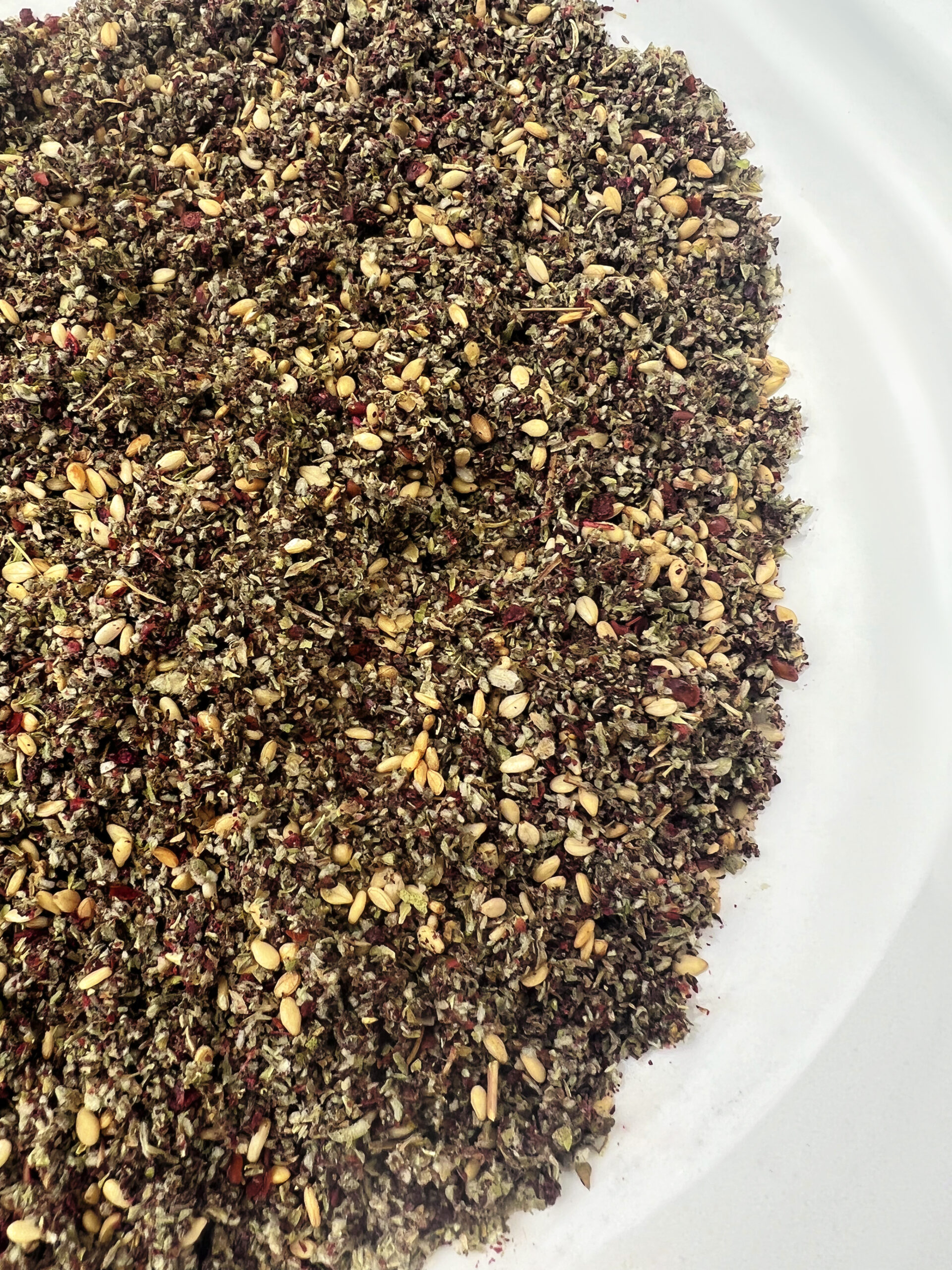
Enjoy the delicious taste of homemade za’atar with this easy-to-follow recipe. This traditional Middle Eastern blend is a must-have in your spice collection, perfect as a dip, marinade, or seasoning for any dish.
Type of Cuisine:
Middle Eastern
Prep Time: 10 Minutes.
Cook Time: 0 Minutes
How Many Servings?
10-12 Servings
Ingredients:
| 1 cup dry zaatar (if you don't have zaatar use a mixture of dry thyme and dry oregano) | |
| 1 tablespoon olive oil | |
| 1 tablespoon sumac | |
| 1 tablespoon toasted sesame seeds |
Preparation
In a bowl, combine the dried herbs with olive oil. Stir well until the mixture is fully blended and the herbs are evenly coated
Add the ground sumac and toasted sesame seeds to the herb and olive oil mixture. Stir everything together until the blend is evenly mixed and fragrant.
Once your za’atar is fully blended, transfer it to a clean, airtight glass jar. Store it in a cool, dry place and enjoy it anytime you need a flavorful boost for your meals.
Rana’s Notes!
Subscribe to my newsletter for authentic Mediterranean recipes, essential cooking tips, and the latest food news, all delivered directly to your inbox for FREE. Let’s create memorable dishes together!



Have you tried to make your own mix of Za’atar? Please feel free to leave me a comment. I love to hear from you.